CP is the most common motor disability in childhood.
Cerebral palsy affects movement, balance, and posture. It is the most common motor disability in childhood.
Source: CDC
Cerebral Palsy Community Foundation helps children, adults, and families affected by cerebral palsy access practical support, community connection, and dignity when they need it most.
Cerebral Palsy Community Foundation is a 501(c)(3) tax-exempt public charity.
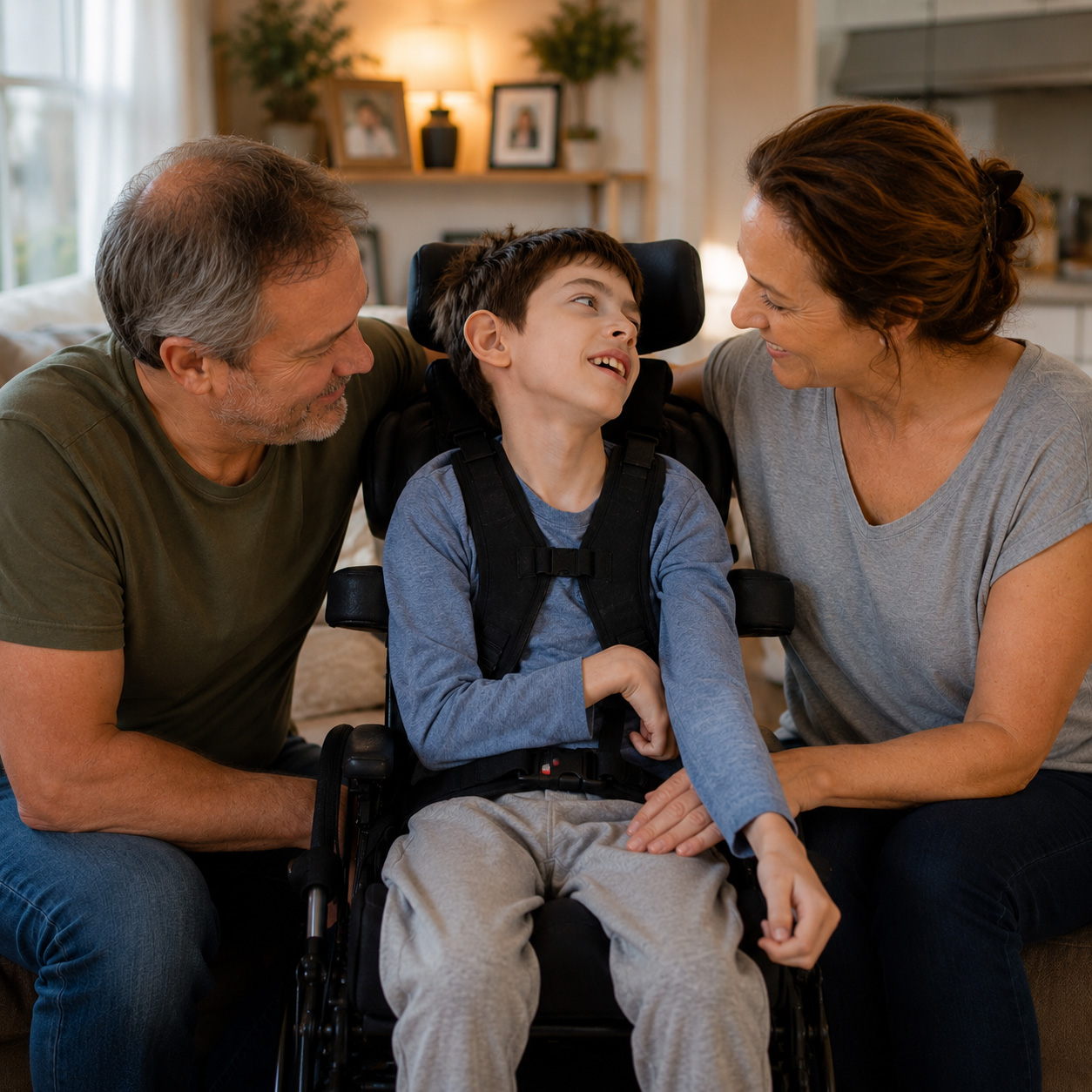
Practical assistance, family stability, community inclusion, and advocacy can help prevent isolation before it becomes crisis.
We help people with cerebral palsy stay supported, included, and connected.
Cerebral palsy affects each person differently. Some people walk independently. Others need therapy, mobility equipment, communication support, transportation, help with daily living, or lifelong care.
When support is missing, disability can become a crisis — increasing the risk of exclusion, poor health, unsafe living situations, and isolation. Cerebral Palsy Community Foundation exists to help prevent that crisis.
can affect movement, balance, posture, walking, speech, communication, independence, and daily life.
Some people need support for a season. Others need it for life.
These facts are intentionally limited and source-based. The goal is not to overwhelm visitors with statistics, but to show why practical support and community connection matter.
Cerebral palsy affects movement, balance, and posture. It is the most common motor disability in childhood.
Some people with cerebral palsy need special equipment, mobility support, or lifelong care. Support should not end when childhood ends.
There is no cure for cerebral palsy, but treatment and early support can improve lives through therapy, braces, medicine, surgery, and coordinated care.
UNICEF estimates that nearly 240 million children around the world live with disabilities. Many face exclusion, discrimination, and barriers to education.
WHO estimates that 1.3 billion people experience significant disability. Many face stigma, poverty, exclusion, barriers to care, and gaps in formal support.
In the United States, chronic homelessness is tied to disability under HUD’s definition. This is broader disability context, not a CP-specific count.

Caring for a child or adult with cerebral palsy can require therapy, equipment, transportation, home adaptations, communication support, daily care, and emotional strength. Many families do everything they can — but no family should have to do it completely alone.
When support is missing, disability can become a crisis. Our goal is to help families stay stable, connected, and supported before crisis turns into isolation.
Social connection matters. The U.S. Surgeon General has warned that loneliness and social isolation are linked to serious health risks, including depression, anxiety, cardiovascular disease, dementia, stroke, and premature death.
For people with cerebral palsy, connection is not a luxury. It is part of dignity, health, and survival.
Community connection can help people stay visible, valued, and included.
Practical support can prevent small problems from becoming major crises.
Support should not disappear when childhood ends.
Our work is built around a simple conviction: with the right support, people with cerebral palsy and their families do not have to face life alone.
Every child deserves therapy, communication, education, friendship, and joy.
Families need guidance, resources, respite, and community — not judgment.
Support should not end when childhood ends. Adults with CP deserve housing stability, connection, dignity, and meaningful participation.
With the right support, people with CP can be seen, heard, included, and valued.
A wheelchair repair, a therapy visit, transportation to care, respite for a parent, communication support, assistive technology, help with daily needs, or simply a community that shows up — these supports can change the direction of a life.
Help with urgent needs, adaptive equipment, transportation, care-related expenses, and essential support.
Resources that help families continue caring for their loved ones safely and with dignity.
Programs and outreach that reduce isolation and help people with CP feel seen and included.
Public education that challenges stigma and reminds the community that people with CP are children, adults, neighbors, friends, and family members.
Caring support should always remain human. But technology can help close gaps when families are exhausted, caregivers are unavailable, or daily support is too expensive.
Cerebral Palsy Community Foundation is working toward making assistive technology more accessible to people who need it most — including communication tools, smart home support, adaptive systems, and emerging robotics that can support safety, independence, and daily living.
Our goal is not to replace human connection. Our goal is to expand independence, safety, dignity, and choice for people with cerebral palsy.
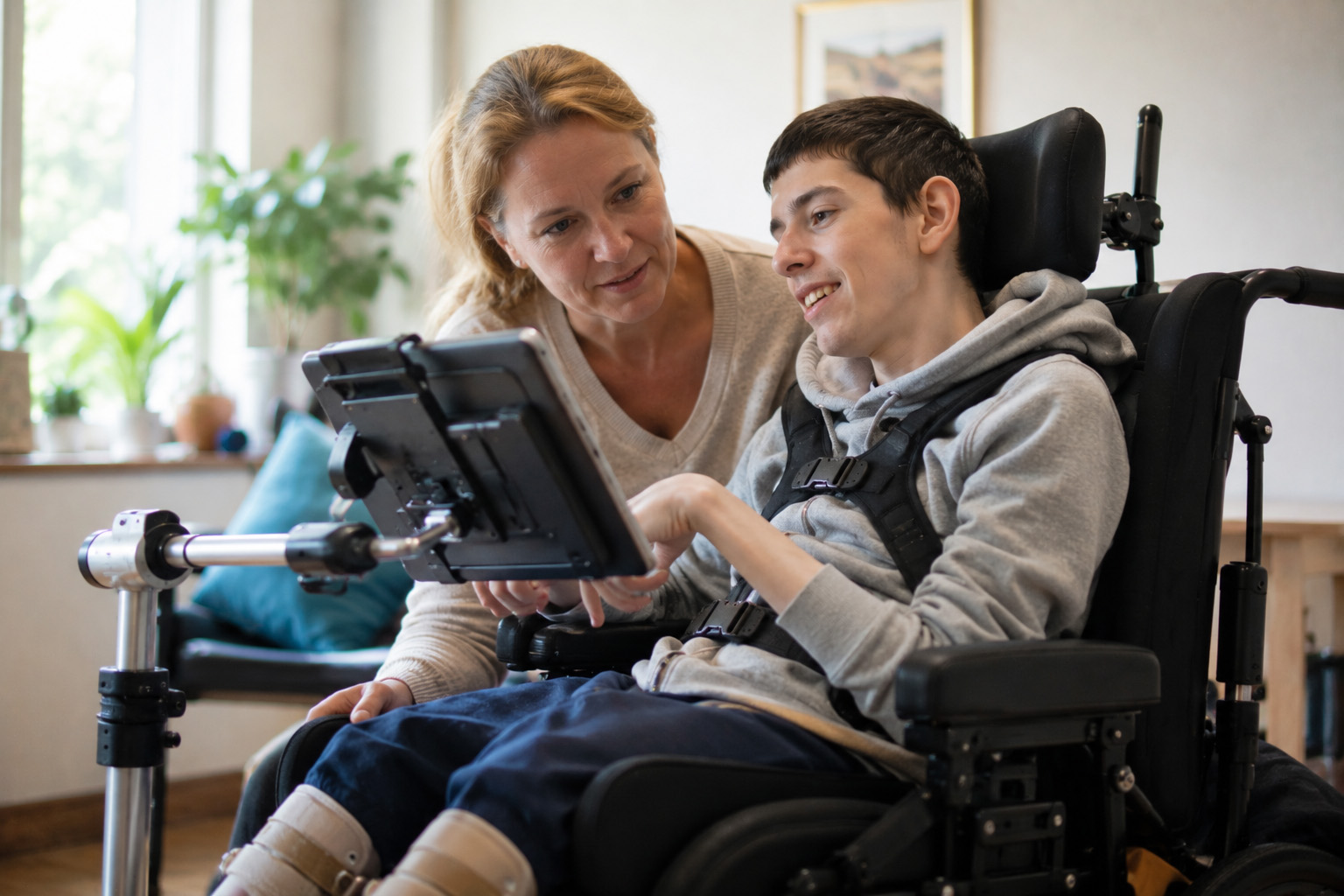
The goal is practical independence with people still at the center of care.
People with cerebral palsy and their families often need more than encouragement. They may need therapy, equipment, transportation, respite, communication tools, emergency assistance, or simply a community that does not look away.
Your support helps Cerebral Palsy Community Foundation provide practical help, connection, dignity, and future access to assistive technologies that can support safer, more independent living.
Cerebral Palsy Community Foundation directs donations toward mission-aligned charitable work with documentation, oversight, and care. Contributions support our charitable work and may be tax-deductible to the extent allowed by law.
Our first priority is to build trust before we ask for scale: clear policies, careful documentation, financial controls, and public updates as the work grows.
As our work grows, we are committed to publishing organizational updates, public documents, program information, and financial reporting with clarity and care.